Tube Packaging vs Boxes: Which Should Your Brand Choose?
Choose tube packaging over a box when your product is round, tall or rolled and the opening should feel like a gift; choose a box for flat, high-volume items stacked in a grid. Customized Tube Packaging makes printed paper tubes from a minimum of 12, with a free mockup within 24 hours, so you can compare formats before committing.
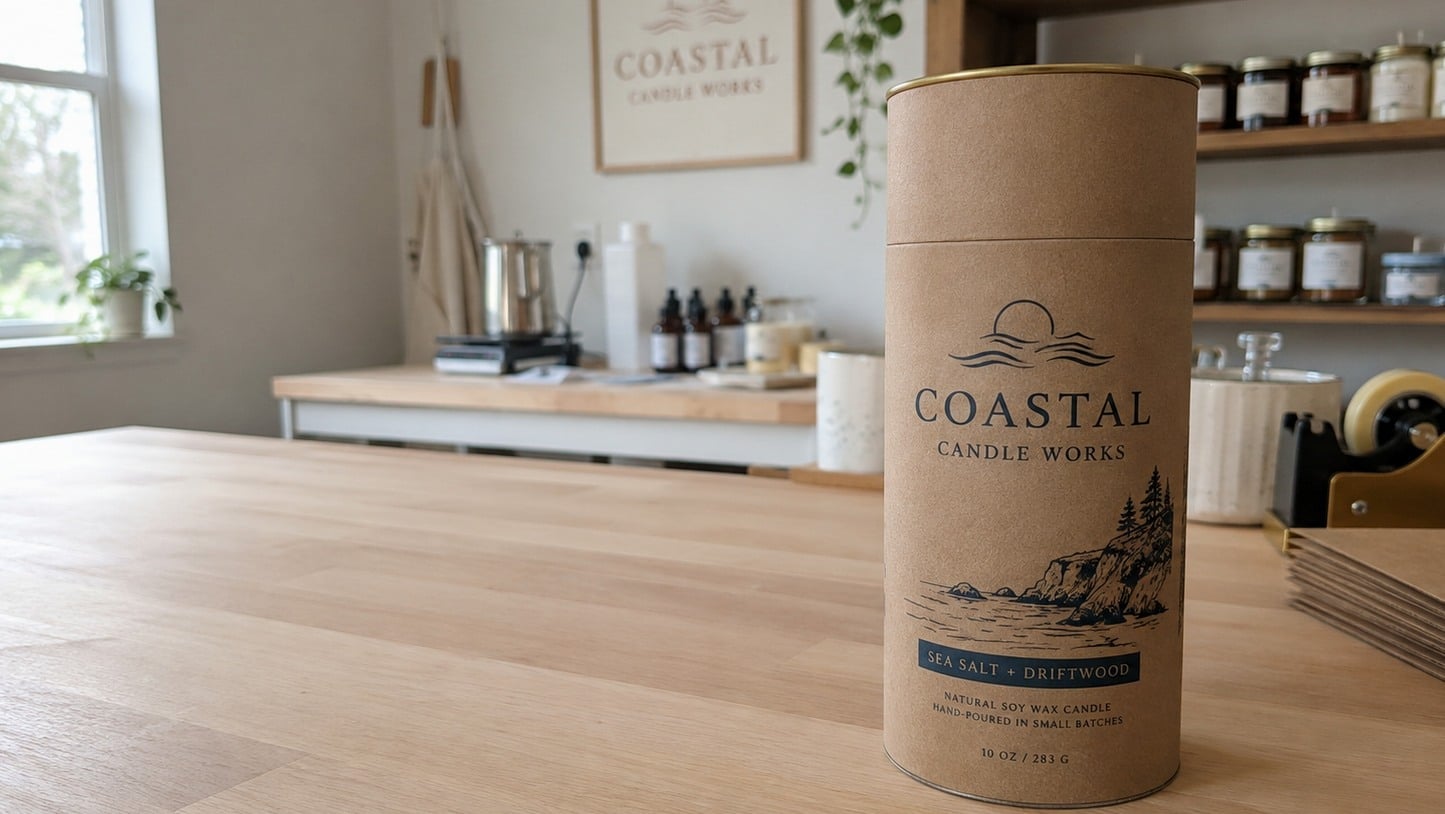
- Tubes suit round, tall and rolled products; boxes suit flat and square ones
- Tubes read as premium and are often kept and reused
- Boxes ship flat and stack higher on crowded shelves
- Minimum order 12 with a free mockup within 24 hours
- Standard turnaround about 2 weeks after approval
Is tube packaging better than a box for your product?
Tube packaging is better than a box when your product is round, tall, rolled or premium enough that the unboxing should feel like a reveal. A folding box is better when the product is flat, square, very light or sold in such volume that shelf stacking and flat storage matter more than presentation. Most brands land on tubes for hero products and boxes for everyday basics.
The choice is rarely about which format is “best” in general. Custom tube packaging and custom boxes each solve a different problem: a tube wraps a shape and turns opening into a moment, while a box packs flat, stacks square and fills a shipping carton efficiently. Picking the wrong one shows up later as wasted space, rattling product, crushed corners or a package that looks ordinary next to competitors.
This comparison walks through the factors that actually decide the format: product shape, shelf presence, unboxing, shipping, storage, decoration and sustainability. Each section ends with a clear lean so you can make the call for your own line, and the table further down puts the whole decision on one screen.
Which products fit tube packaging better than a box?
Products that are cylindrical, tall and narrow, or rolled fit tube packaging better than a box because the tube follows their shape with no dead corners. Spirits and wine bottles, candle jars, cosmetic and serum bottles, rolled apparel, posters and prints, loose tea and coffee, and gift sets built around a bottle are the classic fits.
- Bottles and jars: a round container sits snugly in a tube and needs less filler than in a square box.
- Rolled goods: T-shirts, socks, posters and documents roll naturally into a tube and unroll without creases.
- Loose or pourable goods: tea, coffee and bath salts suit a tube with an inner liner and a lid that reseals.
- Tall single items: a reed diffuser, a fragrance or a premium pen looks deliberate in a slim tube.
Products that suit a box better are flat or rectangular: phone accessories, stationery sets, framed items, chocolate bars and multi-item kits laid out side by side. If you have to add a lot of insert just to stop a square product moving inside a round tube, a box is probably the honest answer.
Does tube packaging or a box look more premium on the shelf?
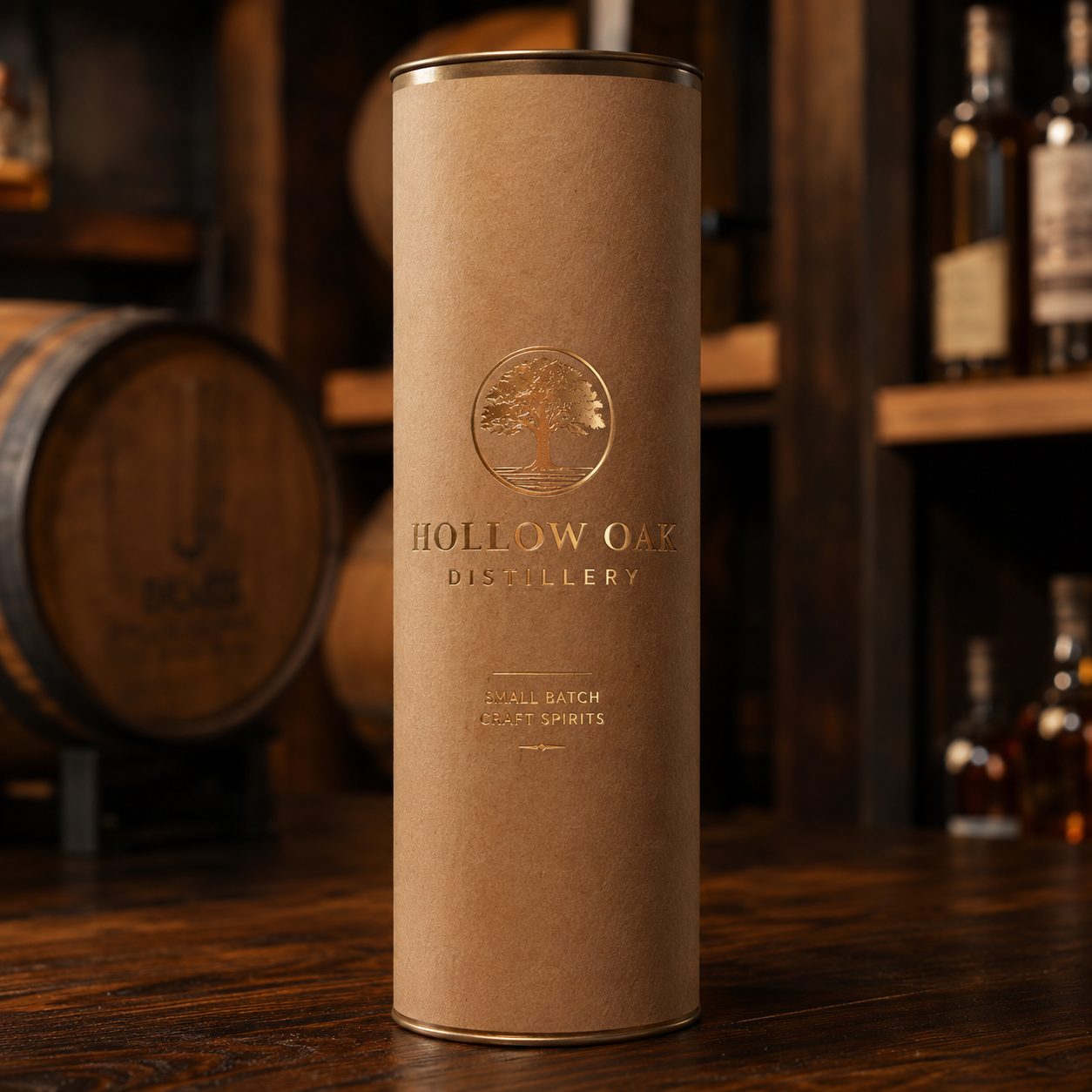
Tube packaging usually looks more premium on the shelf because shoppers see far fewer tubes than boxes, so a printed tube reads as a considered, gift-ready choice. The continuous wrap gives your artwork an unbroken surface with no flaps or glued seams across the front, and a lid that lifts off adds weight to the moment of opening.
A box earns its place on the shelf in other ways. Flat faces are easy to read from across an aisle, boxes line up in tidy rows, and a large front panel suits detailed product information. For a store that merchandises dozens of SKUs in a grid, boxes are simply easier to stock and face.
The practical test is where your product will be seen. If it sits in a boutique, a gift shop, a tasting room or an online listing photographed on its own, a custom tube stands out. If it sits among many similar boxes in a high-volume aisle, a box keeps the shelf neat. Many brands at Customized Tube Packaging use a rigid cardboard tube for the hero item and keep boxes for refills.
How do tubes and boxes compare side by side?
Tubes and boxes compare most clearly on shape, presentation, protection and handling. The table below summarizes the trade-offs a buyer weighs when choosing between custom tube packaging and a standard folding box.
| Factor | Custom tube packaging | Folding box |
|---|---|---|
| Best product shapes | Round, tall, rolled | Flat, square, rectangular |
| Shelf impression | Distinctive, gift-like | Familiar, easy to stack |
| Unboxing | Lid lifts or slides away for a reveal | Flap or tuck opening |
| Artwork surface | One continuous wrap plus lid and ends | Separate panels split by folds |
| Crush resistance | Strong walls, no weak corners | Depends on board grade and corners |
| Storage before packing | Arrives assembled, takes more space | Often ships flat |
| Reuse by customers | Often kept for storage or display | Usually recycled after opening |
Neither column wins every row. Custom tube packaging leads on presentation, reuse and protecting round products, while boxes lead on flat storage and stacking. Weigh the rows that matter most for your channel rather than counting wins.
Which protects a product better in shipping, a tube or a box?
A rigid tube protects round and fragile products better in shipping than a light folding box, because a cylinder spreads pressure around its wall and has no corners to crush. A sturdy paperboard tube with fitted end caps holds its shape under the weight of other parcels, which is why posters and prints have shipped in tubes for generations.
Boxes have their own shipping strengths. A square box fills a master carton with no gaps, and corrugated mailers are built to take knocks. For flat goods or multi-item kits, a well-made mailer box is hard to beat.
For direct-to-customer orders, many brands ship a retail tube inside a plain outer carton so the printed finish arrives clean. A kraft mailing tube can travel on its own with a label applied directly, which suits prints, documents and rolled apparel. Whatever you choose, ask for an insert that stops the product moving; a snug fit matters more than the format. Customized Tube Packaging can size the tube and insert around your item on the free mockup.
Is tube packaging or a box more sustainable?
Paper tube packaging and paperboard boxes are both made mainly from paper fiber, so either can be a responsible choice when you avoid plastic windows, heavy laminates and mixed materials. The bigger sustainability difference is often what happens after opening: customers frequently keep a sturdy tube for storage, while most folding boxes go straight into recycling.
To keep either format as recyclable as possible, choose paper or paperboard end caps instead of metal or plastic, use uncoated kraft or a light finish, and skip foam inserts in favor of paperboard ones. A kraft tube with paper caps is a clean, all-paper package, and a printed tube that customers reuse earns its material twice.
Boxes gain on sustainability when they ship flat, because more units fit on a pallet before packing. If freight volume before packing is your main concern, factor that in. If the end customer’s experience and reuse matter more, custom tube packaging usually comes out ahead. Avoid making specific environmental claims on pack unless you can support them.
How do printing and decoration differ between tubes and boxes?
Printing on custom tube packaging uses a continuous wrap around the body, so artwork can run all the way around with only a single seam, while a box splits artwork across separate panels with folds between them. Tubes reward bold, wrap-around designs; boxes reward panel-by-panel layouts with a clear front face.
Both formats take the same family of finishes: full-color print, matte or gloss coatings, foil stamping and embossing. On a tube, a foil stamped logo on the lid catches light as the tube turns, an effect a flat box face cannot match. On a box, a large flat panel suits dense ingredient lists, barcodes and regulatory copy.
- Keep key information on the front of the wrap, away from the seam.
- Use the lid top for a logo or mark that is seen when tubes are stacked.
- Put long copy on the back of the wrap or on a printed insert.
Customized Tube Packaging returns a free mockup within 24 hours so you can see the wrap flat and on the tube before anything prints.
Can you use tubes and boxes together in one product line?
Yes, many brands use custom tube packaging and boxes together, putting the hero product, gift edition or limited release in a tube and keeping everyday items in boxes. The mix lets the premium piece stand out while the core range stays efficient to stock and ship.
- Match the brand system: use the same colors, typefaces and logo placement on both formats so the line reads as one family.
- Reserve the tube for the moment: gift sets, holiday editions and launches get the most from a tube.
- Test before scaling: with a minimum order of 12, you can trial a tube edition without committing a whole line.
- Plan reorders: standard turnaround is about 2 weeks after approval, with faster turnaround available with express shipping.
A telescoping gift tube works well for a limited edition, while a rigid cardboard tube suits a permanent hero product. Pairing either with your existing boxes gives retailers and customers a clear signal of which item is special.
How do you decide between a tube and a box for your brand?
Decide between tube packaging and a box by starting with the product’s shape, then the channel where it is seen, then how it ships. If the product is round or rolled, sold as a gift or premium item, and seen up close, choose a tube. If it is flat, high volume and stacked in a grid, choose a box.
Run through these questions before requesting quotes:
- Does the product’s shape fill a cylinder or a rectangle with less wasted space?
- Will shoppers see it on its own, or among many similar packages?
- Is opening the package part of the experience you are selling?
- Does it ship inside an outer carton, or travel on its own?
- Do you have room to store assembled packaging before packing day?
If most answers point to a tube, send your product details to Customized Tube Packaging through the quote form. You will get a free mockup within 24 hours, unlimited free revisions, and you pay nothing until you approve the design. The how it works page shows each step.
Frequently asked questions
Can custom tube packaging replace a box for a skincare gift set?
Custom tube packaging can replace a box for a skincare gift set when the items are bottles or jars that stack or stand together. A fitted paperboard insert holds each piece in place so nothing rattles. Customized Tube Packaging can show the insert layout on the free mockup, which makes it easy to judge whether the set reads better in a tube than in a flat box.
Is tube packaging harder to stack on a retail shelf than boxes?
Tube packaging stacks well when the lids are flat and the tubes stand upright in rows, and many shops display tubes side by side rather than in tall piles. Boxes stack higher with less care. If your stockist builds tall displays, ask about a shelf tray or display carton so tubes stay neat and the printed lid tops stay visible.
Do customers keep tube packaging longer than boxes?
Customers often keep tube packaging longer than boxes because a sturdy tube with a lid makes a useful container for pens, tea, keepsakes or rolled prints. That extra life keeps your logo in sight at home. Customized Tube Packaging customers frequently choose rigid tubes partly for this reason, since a well-made tube looks too good to throw away after opening.
Can a tube carry the same barcode and product details as a box?
Custom tube packaging can carry the same barcode, ingredients and product details as a box, usually on the back of the wrap away from the seam. Because the surface curves, keep barcodes upright along the length of the tube so scanners read them cleanly. Long regulatory copy can also go on a printed insert or the base if space is tight.
Does switching from boxes to tube packaging change my packing process?
Switching from boxes to tube packaging changes packing mainly at the closing step, since a lid presses or slides on instead of a flap tucking in. Tubes arrive assembled, so there is no folding, but they need more storage space. Customized Tube Packaging can suggest a closure that suits hand packing, which keeps the line moving as fast as with boxes.
Is tube packaging suitable for subscription orders that ship monthly?
Tube packaging suits subscription orders when each shipment contains a round or rolled item, such as coffee, tea, socks or art prints. The tube can travel inside a mailer or on its own as a mailing tube. Keeping one core design and changing only a label or insert each month lets the format stay consistent while the contents vary.
Can I trial tube packaging on one product before changing my whole line?
You can trial tube packaging on a single product before changing a whole line, because Customized Tube Packaging accepts orders from a minimum of 12. A small run lets you test shelf reaction, unboxing feedback and packing speed against your current boxes. If the tube performs better, you can extend the design to more products with confidence.
Which looks better in online product photos, a tube or a box?
Printed tube packaging often looks better in online product photos because the curve catches light and gives the image depth, while a box can look flat when shot straight on. Tubes also photograph well open, with the lid beside the product. Keep the logo centered on the front of the wrap so it reads clearly in a square thumbnail.
Can tube packaging hold flat items like cards or certificates?
Tube packaging can hold flat items such as cards, certificates or art prints if they are rolled rather than kept flat. Rolling suits paper that will be framed or unrolled anyway. Items that must stay perfectly flat belong in a box or rigid folder. Customized Tube Packaging offers a poster and document tube sized for rolled paper goods.
Are tubes or boxes easier to brand inside the lid?
Custom tube packaging is easy to brand inside the lid because the lid underside is the first surface seen on opening, a natural spot for a thank-you line or logo. Boxes offer a larger inside flap for longer messages. On a tube, keep inside-lid copy short and bold so it reads at a glance as the lid comes away.
Should a new brand start with tube packaging or boxes?
A new brand should start with tube packaging when its first product is round, giftable or premium, because a distinctive package helps an unknown name get noticed. A brand selling flat, everyday items may start with boxes. Customized Tube Packaging supports first runs from 12 units with a free mockup within 24 hours, so trying a tube carries little risk.
Get a free mockup for your tube packaging
Send your logo or idea and the quantity you have in mind. Customized Tube Packaging returns a free mockup within 24 hours, you approve the design before anything is produced, and standard turnaround is about two weeks with faster options available. Get a custom quote.